VIDEO
A hybrid approach optimises semiconductor process development
%3Ctable%20cellspacing%3D%220%22%20cellpadding%3D%220%22%20width%3D%22100%25%22%3E%0A%20%20%20%20%3Ctr%3E%0A%20%20%20%20%20%20%20%20%3Ctd%20style%3D%22padding%3A%2033px%3Bbackground-color%3A%23081323%3Btext-align%3Aleft%20!important%3B%22%3E%0A%0A%20%20%20%20%20%20%20%20%20%20%20%20%3Ctable%20cellspacing%3D%220%22%20cellpadding%3D%220%22%20width%3D%22100%25%22%3E%0A%20%20%20%20%20%20%20%20%20%20%20%20%20%20%20%20%3Ctr%3E%0A%20%20%20%20%20%20%20%20%20%20%20%20%20%20%20%20%20%20%20%20%3Ctd%20style%3D%22color%3A%23fff%3Bfont-family%3Aarial%3Bfont-size%3A3vw%3Bfont-weight%3A%20bold%3B%22%3E%0A%20%20%20%20%20%20%20%20%20%20%20%20%20%20%20%20%20%20%20%20%20%20%20%20Lam%E2%80%99s%20AI%20Study%20in%20Nature%0A%20%20%20%20%20%20%20%20%20%20%20%20%20%20%20%20%20%20%20%20%20%20%20%20%3Cbr%3E%3Cbr%3E%0A%20%20%20%20%20%20%20%20%20%20%20%20%20%20%20%20%20%20%20%20%20%20%20%20%3Ca%20href%3D%22https%3A%2F%2Fwww.nature.com%2Farticles%2Fs41586-023-05773-7%22%20style%3D%22color%3A%2313c4ba%3Btext-decoration%3A%20none%3Bfont-size%3A4vw%3Bfont-weight%3A%20bold%3B%22%20target%3D%22_blank%22%3EClick%20here%20to%20read%20the%20study%3C%2Fa%3E%0A%20%20%20%20%20%20%20%20%20%20%20%20%0A%20%20%20%20%20%20%20%20%20%20%20%20%20%20%20%20%20%20%20%20%3C%2Ftd%3E%0A%20%20%20%20%20%20%20%20%20%20%20%20%20%20%20%20%20%20%20%20%3Ctd%20style%3D%22text-align%3Aright%3B%22%3E%0A%20%20%20%20%20%20%20%20%20%20%20%20%20%20%20%20%20%20%20%20%20%20%20%20%3Ca%20href%3D%22https%3A%2F%2Fwww.lamresearch.com%22%20target%3D%22_blank%22%3E%3Cimg%20src%3D%22https%3A%2F%2Fdata.angel.digital%2Fimages%2Fvideos%2FLam_Research_logo_White.png%22%20style%3D%22width%3A95%25%3Bmax-width%3A200px%3B%22%3E%3C%2Fa%3E%0A%20%20%20%20%20%20%20%20%20%20%20%20%20%20%20%20%20%20%20%20%3C%2Ftd%3E%0A%20%20%20%20%20%20%20%20%20%20%20%20%20%20%20%20%3C%2Ftr%3E%0A%20%20%20%20%20%20%20%20%20%20%20%20%20%20%20%20%3Ctr%3E%0A%20%20%20%20%20%20%20%20%20%20%20%20%20%20%20%20%20%20%20%20%3Ctd%20colspan%3D%222%22%20style%3D%22color%3A%23fff%3Bfont-family%3Aarial%3Bpadding-top%3A45px%3Bfont-size%3A1.5vw%3Bline-height%3A1.2%3B%22%3E%0A%20%20%20%20%20%20%20%20%20%20%20%20%20%20%20%20%20%20%20%20%20%20%20%20%0A%20%20%20%20%20%20%20%20%20%20%20%20%20%20%20%20%20%20%20%20%20%20%20%20One%20of%20the%20bottlenecks%20to%20building%20semiconductor%20chips%20is%20the%20increasing%20cost%20required%20to%20develop%20chemical%20plasma%20processes%20that%20form%20the%20transistors%20and%20memory%20storage%20cells.%20These%20processes%20are%20still%20developed%20manually%20using%20highly%20trained%20engineers%20searching%20for%20a%20combination%20of%20tool%20parameters%20that%20produces%20an%20acceptable%20result%20on%20the%20silicon%20wafer.%20The%20challenge%20for%20computer%20algorithms%20is%20the%20availability%20of%20limited%20experimental%20data%20owing%20to%20the%20high%20cost%20of%20acquisition%2C%20making%20it%20difficult%20to%20form%20a%20predictive%20model%20with%20accuracy%20to%20the%20atomic%20scale.%20Here%20we%20study%20Bayesian%20optimization%20algorithms%20to%20investigate%20how%20artificial%20intelligence%20(AI)%20might%20decrease%20the%20cost%20of%20developing%20complex%20semiconductor%20chip%20processes.%20In%20particular%2C%20we%20create%20a%20controlled%20virtual%20process%20game%20to%20systematically%20benchmark%20the%20performance%20of%20humans%20and%20computers%20for%20the%20design%20of%20a%20semiconductor%20fabrication%20process.%20We%20find%20that%20human%20engineers%20excel%20in%20the%20early%20stages%20of%20development%2C%20whereas%20the%20algorithms%20are%20far%20more%20cost-efficient%20near%20the%20tight%20tolerances%20of%20the%20target.%20Furthermore%2C%20we%20show%20that%20a%20strategy%20using%20both%20human%20designers%20with%20high%20expertise%20and%20algorithms%20in%20a%20human%20first%E2%80%93computer%20last%20strategy%20can%20reduce%20the%20cost-to-target%20by%20half%20compared%20with%20only%20human%20designers.%20Finally%2C%20we%20highlight%20cultural%20challenges%20in%20partnering%20humans%20with%20computers%20that%20need%20to%20be%20addressed%20when%20introducing%20artificial%20intelligence%20in%20developing%20semiconductor%20processes.%0A%20%20%20%20%20%20%20%20%20%20%20%20%20%20%20%20%20%20%20%20%20%20%20%20%3Cbr%3E%3Cbr%3E%0A%20%20%20%20%20%20%20%20%20%20%20%20%20%20%20%20%20%20%20%20%20%20%20%20Authors%20of%20the%20article%20in%20Nature%3A%3Cbr%3E%0A%20%20%20%20%20%20%20%20%20%20%20%20%20%20%20%20%20%20%20%20%20%20%20%20Keren%20J.%20Kanarik%2C%20Wojciech%20T.%20Osowiecki%2C%20Yu%20(Joe)%20Lu%2C%20Dipongkar%20Talukder%2C%20Niklas%20Roschewsky%2C%20Sae%20Na%20Park%2C%20Mattan%20Kamon%2C%20David%20M.%20Fried%20%26%20Richard%20A.%20Gottscho%0A%20%20%20%20%20%20%20%20%20%20%20%20%20%20%20%20%20%20%20%20%20%20%20%20%0A%20%20%20%20%20%20%20%20%20%20%20%20%0A%20%20%20%20%20%20%20%20%20%20%20%20%20%20%20%20%20%20%20%20%3C%2Ftd%3E%0A%20%20%20%20%20%20%20%20%20%20%20%20%20%20%20%20%3C%2Ftr%3E%0A%20%20%20%20%20%20%20%20%20%20%20%20%3C%2Ftable%3E%0A%0A%20%20%20%20%20%20%20%20%3C%2Ftd%3E%0A%20%20%20%20%3C%2Ftr%3E%0A%3C%2Ftable%3E
Video Summary
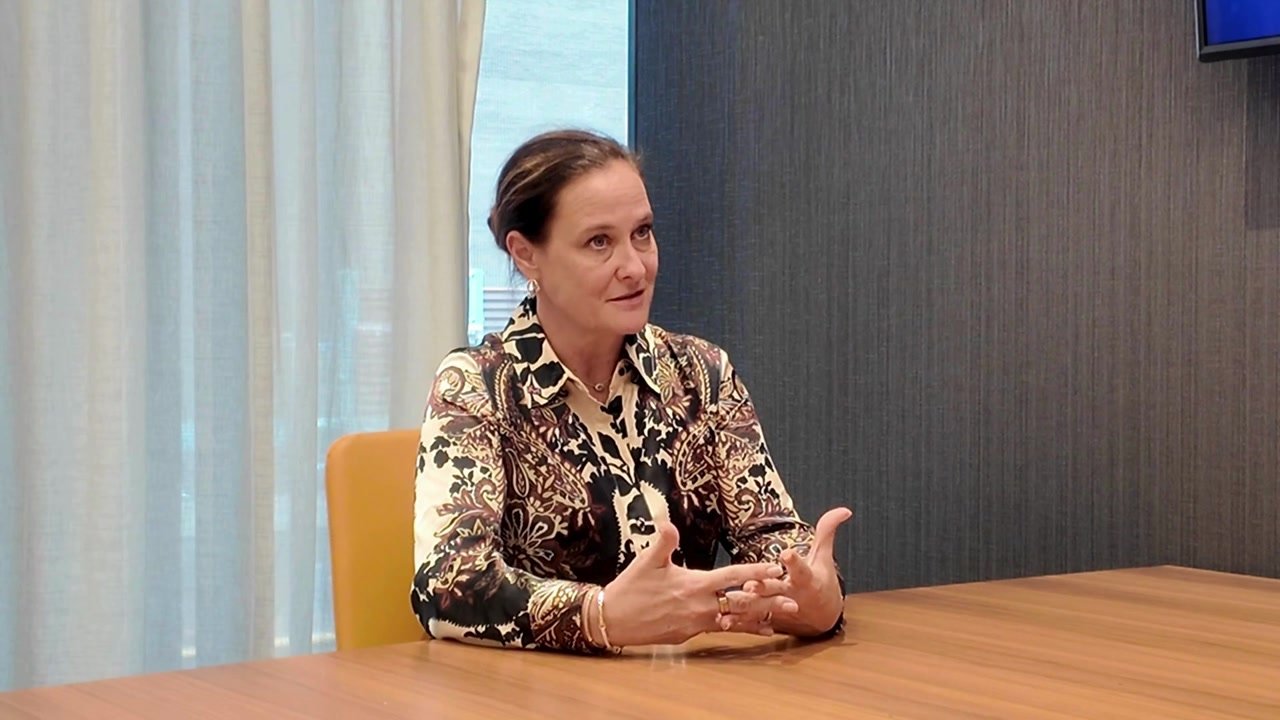
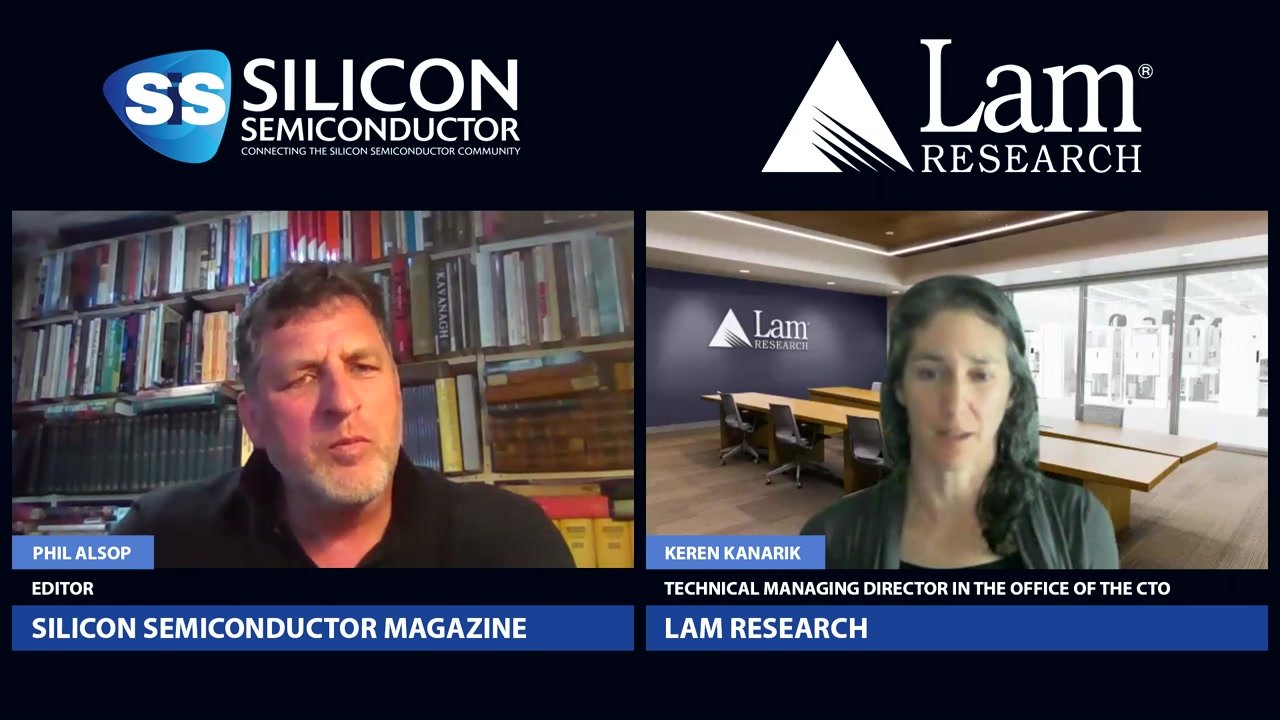
Keren Kanarik, Technical Managing Director in the Office of the CTO at Lam Research, and co-author of the Nature-published article: Human-machine collaboration for improving semiconductor process development, discusses the organisation’s research into what combination of human and artificial intelligence might best decrease the cost of developing complex semiconductor chip processes.